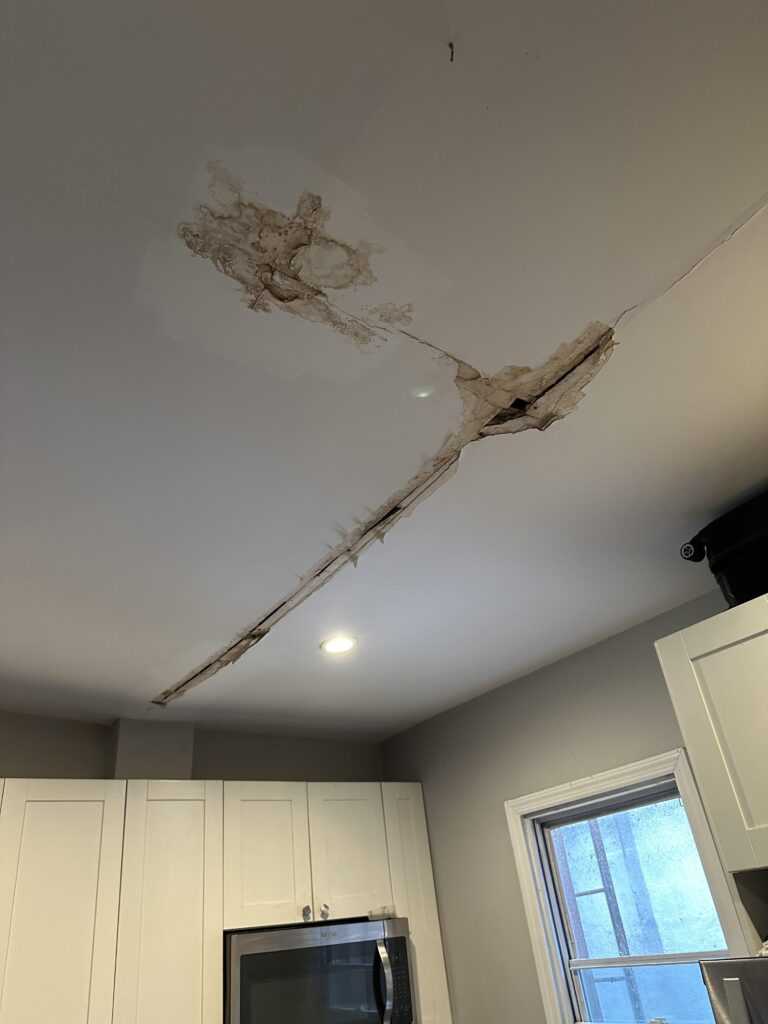
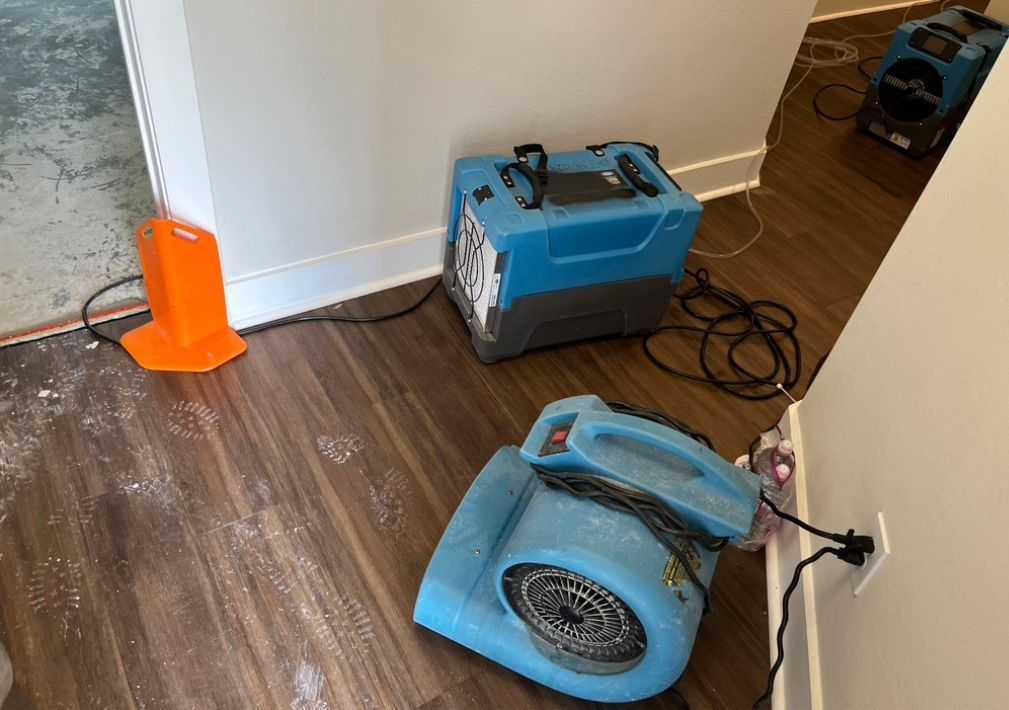
Water damage can happen without warning. A burst pipe, overflowing appliance, roof leak, or sudden storm can quickly disrupt your home and leave you unsure of what to do next. The first steps you take after discovering water damage are critical not just for limiting repairs, but for protecting the structure of your home and preventing long-term problems.
If you’re dealing with water damage in your Bridgeton, Missouri home, this guide walks you through what to do immediately, what mistakes to avoid, and when it’s time to call a professional restoration company.
Step 1: Stop the Source of Water (If It’s Safe)
The very first priority is preventing additional water from entering your home. If the water damage is caused by a plumbing issue, appliance failure, or broken fixture, shut off the main water supply as soon as possible. For appliance leaks, disconnecting the unit can also help stop the flow.
If the damage is related to weather or flooding and water is still entering from outside, do not put yourself at risk. In those situations, focus on safety first and wait until conditions improve before taking action.
Safety always comes first. Avoid entering areas with standing water if electrical systems may be affected.
Step 2: Turn Off Electricity in Affected Areas
Water and electricity are a dangerous combination. If water has reached outlets, electrical panels, or appliances, shut off power to the affected areas before attempting to move items or walk through the space.
If you’re unsure whether it’s safe to access the breaker panel, do not take chances. Leave the area and wait for professional assistance.
Step 3: Remove What You Can, But Be Selective
Once the area is safe, begin removing smaller items that can be easily moved. This includes:
- Rugs and loose floor mats
- Personal belongings
- Furniture that can be relocated without strain
Move items to a dry, well-ventilated area. However, do not start pulling up flooring, cutting drywall, or tearing out materials unless advised by a professional. Improper removal can spread moisture, worsen damage, or complicate restoration.
Step 4: Avoid Common DIY Drying Mistakes
Many homeowners assume that running fans or opening windows is enough to dry water-damaged areas. While airflow can help on the surface, it does not remove moisture trapped inside walls, floors, or insulation.
Common mistakes to avoid include:
- Using household fans as the primary drying method
- Applying heat to wet materials
- Ignoring damp areas that “seem to be drying”
- Covering wet areas with rugs or furniture
These actions often give a false sense of progress while moisture continues to spread beneath surfaces.
Step 5: Document the Damage (If Possible)
If conditions allow, take photos or videos of the affected areas. This documentation can be helpful for records, insurance claims, and restoration planning.
Focus on capturing:
- Visible water intrusion
- Affected rooms and materials
- Standing water or soaked flooring
Do not delay cleanup or safety steps just to document damage your safety and preventing further damage come first.
Step 6: Understand That Water Moves Quickly
One of the biggest misconceptions about water damage is that it stays where you see it. In reality, water spreads rapidly through:
- Drywall and framing
- Subflooring and insulation
- Baseboards and trim
- Cabinets and built-in structures
By the time water becomes visible in one room, it may already be affecting areas you can’t see. This is why early professional assessment is so important.
When to Call a Professional Water Damage Restoration Company
In most cases, professional restoration should be contacted as soon as water damage is discovered, especially if:
- Water has entered walls, floors, or ceilings
- Multiple rooms are affected
- Water has been present for more than a few hours
- The source involved outside water or flooding
- Materials remain damp despite cleanup attempts
RCC Restoration focuses on proper moisture removal, not just surface drying. This helps prevent structural damage, material deterioration, and secondary issues like mold.
Why Waiting Can Make Water Damage Worse
Delaying restoration can lead to escalating problems, including:
- Warped flooring and weakened substructures
- Stained or sagging ceilings
- Compromised drywall and insulation
- Increased repair costs
- Mold growth due to trapped moisture
What starts as a manageable situation can quickly become a major restoration project if moisture is allowed to remain.
What Happens During Professional Water Damage Restoration?
While every situation is different, professional restoration typically includes:
- Identifying how far moisture has spread
- Removing excess water using specialized equipment
- Drying materials thoroughly, including hidden areas
- Monitoring moisture levels to ensure stability
- Cleaning and restoring affected spaces
The goal is not just to dry the home, but to restore it to a safe, functional condition.
Serving Bridgeton, Missouri Homeowners After Water Damage
Homes in Bridgeton, Missouri can be affected by water damage for many reasons — from plumbing issues and appliance failures to heavy rain and drainage problems. Having a local restoration team that understands these risks helps ensure faster response and more effective recovery.
Take Action Early
Water damage is stressful, but the steps you take in the first hours can make a significant difference. Focus on safety, avoid rushed DIY solutions, and seek professional help before hidden moisture causes bigger problems.
Need Help After Water Damage in Bridgeton, MO?
If your home has been affected by water damage, acting quickly can help protect your property and limit long-term issues. A professional assessment can provide clarity and help you move forward with confidence.