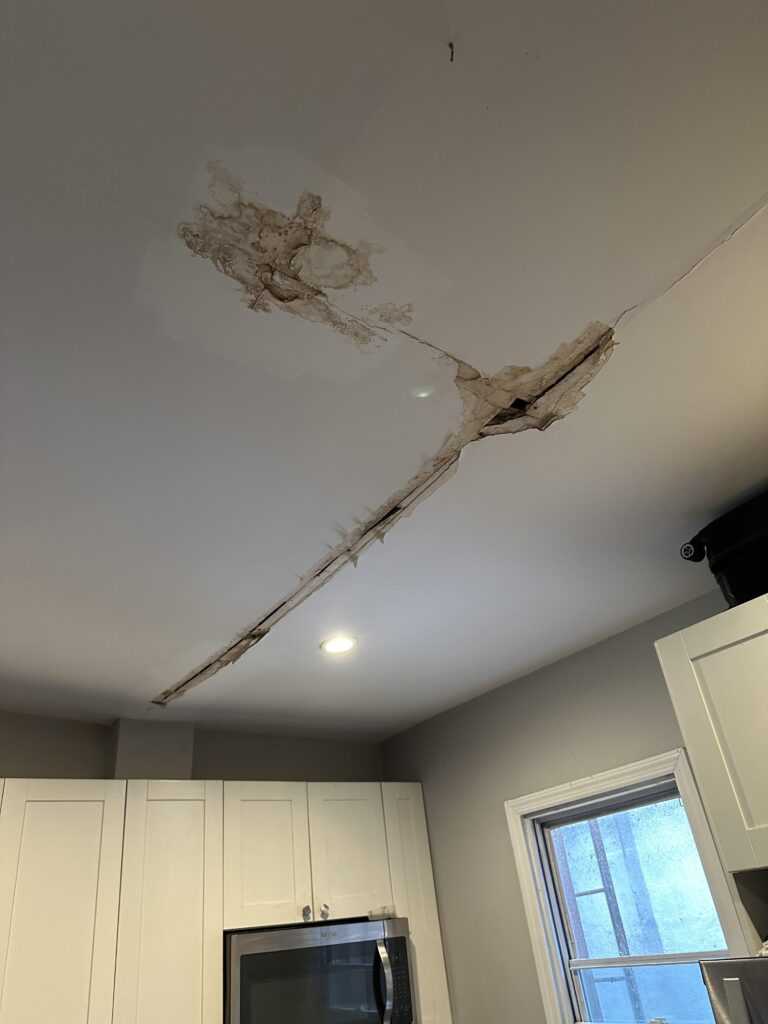
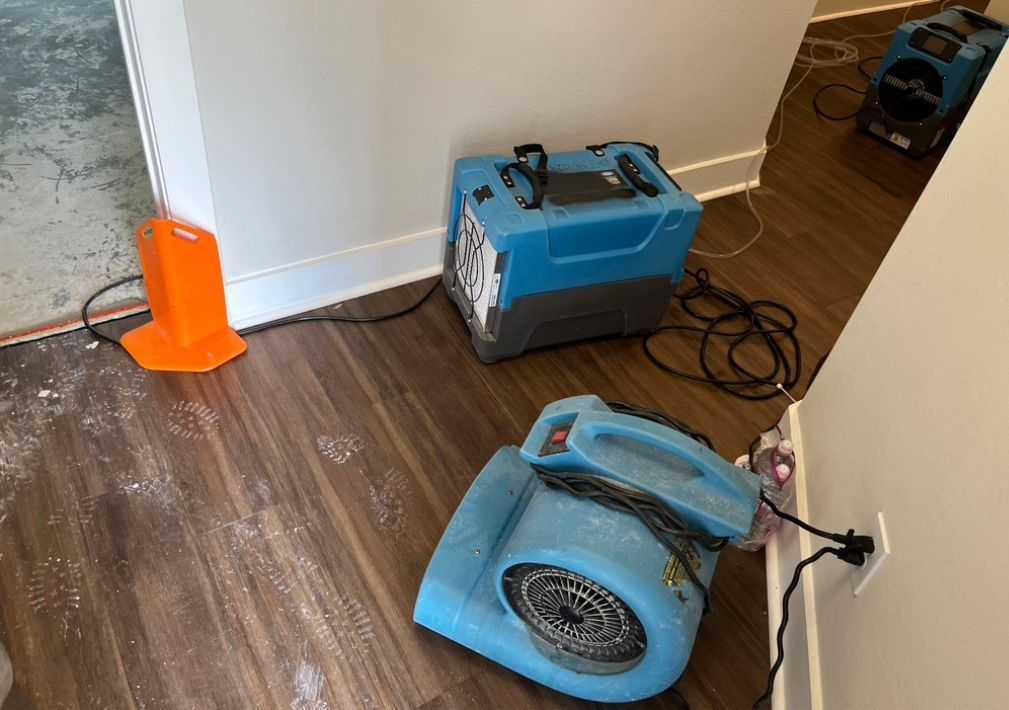
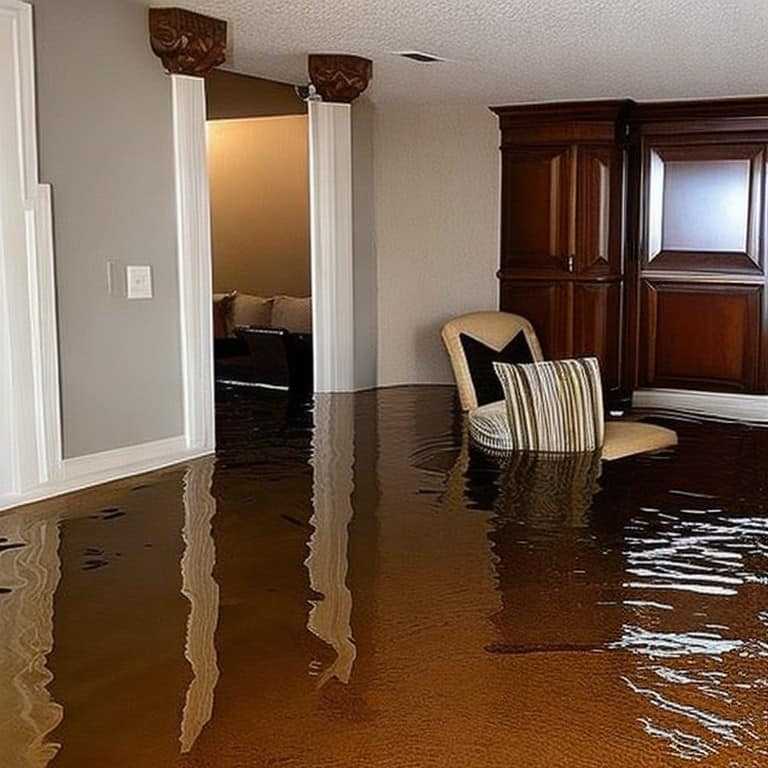
Water damage is one of the most common issues homeowners face, yet it’s often misunderstood. Many people assume water damage only happens during major storms or floods, but in reality, it can start quietly and worsen over time. In Bridgeton, Missouri, a combination of aging infrastructure, weather patterns, and everyday household systems can all contribute to unexpected water problems.
Understanding the most common causes of water damage can help homeowners recognize risks early and take action before damage spreads.
Aging Plumbing Systems
One of the leading causes of water damage in Bridgeton homes is aging plumbing. Over time, pipes can corrode, weaken, or develop small leaks that go unnoticed behind walls or under floors.
Common plumbing-related issues include:
Deteriorating supply lines
Corroded metal pipes
Loose or failing pipe connections
Slow leaks inside walls or cabinets
These problems often develop gradually, which means water can cause damage long before it becomes visible. By the time staining or dampness appears, moisture may already be affecting structural materials.
Appliance Failures and Malfunctions
Household appliances that rely on water are another frequent source of damage. Washing machines, dishwashers, refrigerators, and water heaters all have hoses, valves, and internal components that can fail unexpectedly.
Appliance-related water damage often occurs due to:
Cracked or worn hoses
Loose fittings
Internal seal failures
Aging water heaters
Because many appliances are located in kitchens, basements, or laundry rooms, leaks can spread quickly to flooring, walls, and nearby rooms if not addressed promptly.
Basement and Crawl Space Moisture
Basements and crawl spaces are particularly vulnerable to water damage in the Bridgeton area. Changes in groundwater levels, poor drainage, or foundation vulnerabilities can allow moisture to seep into these lower areas of the home.
Common contributing factors include:
Inadequate exterior drainage
Foundation cracks
Poorly sealed crawl spaces
Improper grading around the home
Moisture in basements and crawl spaces can remain undetected for long periods, increasing the risk of material deterioration and indoor air quality concerns.
Heavy Rain and Drainage Issues
Severe rain events can overwhelm drainage systems and cause water to enter the home, even if the structure itself isn’t damaged. Homes with clogged gutters, damaged downspouts, or poor yard drainage are especially at risk.
Water intrusion from heavy rain may occur through:
Window wells
Basement walls
Door thresholds
Foundation seams
When rainwater isn’t directed away from the home properly, it can find its way inside and affect multiple areas.
Roof Leaks and Exterior Vulnerabilities
Roof damage doesn’t always come from major storms. Over time, shingles, flashing, and seals can wear down, allowing water to enter during normal rainfall.
Exterior-related water damage may result from:
Missing or damaged shingles
Compromised flashing around vents or chimneys
Aging roof materials
Cracks in siding or exterior walls
Even small roof leaks can allow water to travel along framing and insulation, spreading damage far from the original entry point.
HVAC and Condensation Issues
Heating and cooling systems can also contribute to water damage when condensation is not properly managed. Air conditioning units, ductwork, and drain lines can produce moisture that needs to be directed away safely.
Problems often arise from:
Clogged condensate drain lines
Improperly installed HVAC systems
Excess indoor humidity
Insufficient insulation around ducts
Over time, condensation-related moisture can lead to staining, weakened materials, and damp indoor conditions.
Sump Pump Failures
Homes that rely on sump pumps for groundwater control can experience water damage if the system fails. Power outages, mechanical issues, or improper maintenance can all prevent sump pumps from functioning when they’re needed most.
When a sump pump fails, water can accumulate quickly in basements or crawl spaces, leading to widespread damage in a short period of time.
Why Early Action Matters
Regardless of the cause, water damage becomes more difficult and expensive to repair the longer it goes unaddressed. Moisture spreads quickly through building materials, and what begins as a small issue can escalate into structural damage or material failure.
Early action helps:
Limit the spread of moisture
Reduce the scope of repairs
Protect structural components
Prevent secondary issues from developing
Protecting Homes in Bridgeton, Missouri
Homes in Bridgeton, Missouri face a range of water damage risks due to everyday household systems and local environmental conditions. Knowing where water damage commonly originates allows homeowners to stay alert and respond quickly when issues arise.
Final Thoughts
Water damage doesn’t always announce itself with dramatic flooding. In many cases, it begins quietly and worsens over time. Understanding the most common causes helps homeowners recognize early warning signs and take steps to protect their property.
Concerned About Water Damage in Your Home?
If you suspect water damage or have noticed signs of moisture in your Bridgeton home, a professional evaluation can help determine the extent of the issue and identify the right path forward.