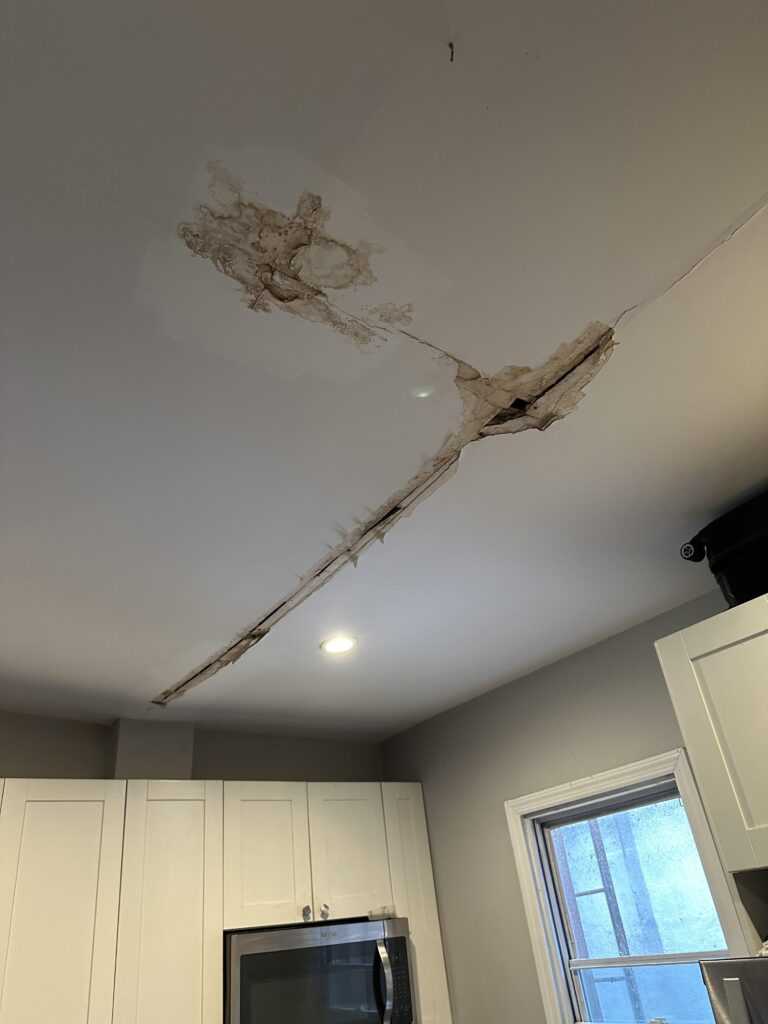
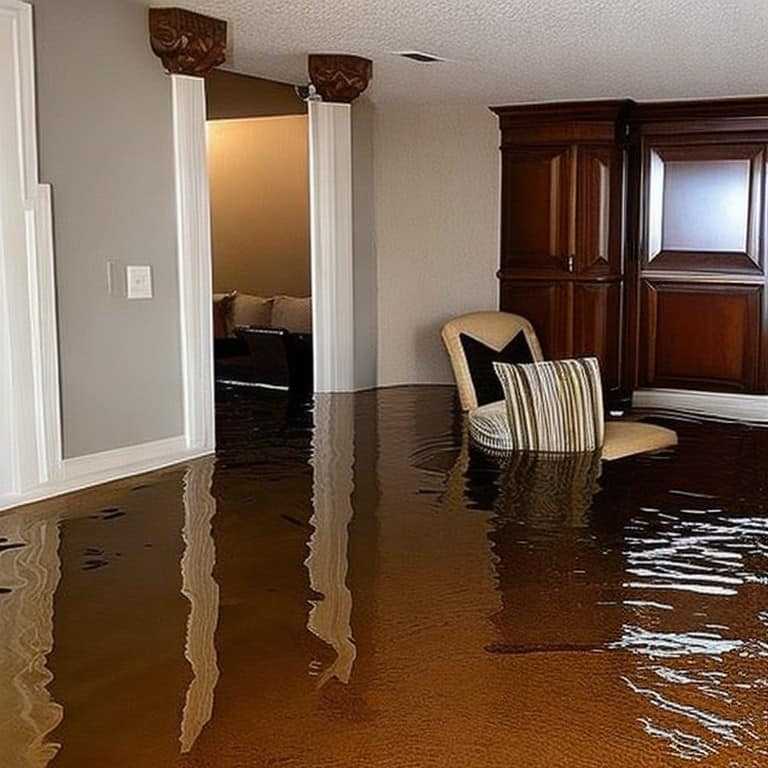
When water damage occurs, most homeowners focus on what they can see which is; wet floors, soaked carpets, or visible puddles. While removing standing water is important, it’s only part of the solution. What often causes the most serious and expensive damage is the moisture that remains hidden inside walls, floors, and structural materials.
Professional drying plays a critical role in protecting a home after water damage. Without it, moisture can linger long after surfaces appear dry, leading to long-term structural problems and costly repairs. Understanding why professional drying matters can help homeowners make informed decisions when water damage strikes.
Water Damage Is More Than a Surface Problem
Water does not stay in one place. Once it enters a home, it spreads quickly through porous materials such as drywall, wood framing, subflooring, insulation, and cabinetry. Even a small leak can allow moisture to travel far beyond the original source.
This hidden moisture often goes unnoticed because surfaces may dry faster than the materials beneath them. While a room may feel dry to the touch, moisture can still be trapped inside structural components, slowly causing damage from within.
Why Household Fans and Dehumidifiers Aren’t Enough
Many homeowners attempt to dry water-damaged areas using fans, space heaters, or store-bought dehumidifiers. While these tools can help with surface drying, they are not designed to remove moisture embedded deep inside building materials.
Common limitations of DIY drying include:
Inability to reach moisture behind walls or under floors
Uneven drying that leaves pockets of dampness
Lack of moisture measurement to confirm when drying is complete
Increased risk of material warping or cracking from improper heat use
Without the right equipment and monitoring, moisture can remain trapped and continue damaging the structure over time.
How Trapped Moisture Weakens a Home
When moisture stays inside building materials, it slowly breaks them down. Wood can swell, warp, or lose strength. Drywall can soften and crumble. Adhesives holding flooring in place can fail, causing separation and uneven surfaces.
Over time, this deterioration can lead to:
Sagging floors or ceilings
Cracked or bubbling walls
Loose or damaged trim and baseboards
Structural instability in severe cases
Professional drying helps prevent these issues by removing moisture before it has time to cause permanent damage.
The Role of Controlled Drying
Professional drying is not about speeding up evaporation at random. It’s a controlled process that balances airflow, temperature, and humidity to remove moisture safely and effectively.
Controlled drying helps ensure that:
Materials dry evenly without stressing the structure
Moisture is removed from hidden and hard-to-reach areas
The indoor environment stabilizes properly
Secondary damage is avoided
This approach protects both the visible finishes and the underlying structure of the home.
How Professionals Detect Hidden Moisture
One of the most important differences between professional and DIY drying is the ability to detect moisture that can’t be seen. Restoration professionals use specialized tools to locate and monitor moisture inside walls, floors, and ceilings.
These tools allow professionals to track drying progress and confirm when materials have returned to safe moisture levels. Without this step, there’s no reliable way to know whether the home is truly dry.
Professional Drying Helps Prevent Secondary Damage
Secondary damage refers to problems that develop after the initial water event. These issues often arise when moisture is not fully removed and can include:
Structural weakening
Material breakdown
Persistent damp conditions
Mold growth due to prolonged moisture
Professional drying focuses on eliminating the conditions that allow these problems to develop, reducing the likelihood of future repairs.
Why Timing Matters With Drying
The longer moisture remains inside a home, the greater the risk of damage. Materials begin absorbing water almost immediately, and the window to prevent deterioration is limited.
Early professional drying helps:
Reduce the scope of repairs needed
Protect materials that may still be salvageable
Shorten overall restoration timelines
Lower long-term repair costs
Acting quickly can make a significant difference in the outcome of a water damage situation.
Professional Drying Is About Long-Term Protection
Water damage restoration isn’t just about fixing what’s visible today, it’s about protecting the home from problems that could surface months later. Professional drying ensures that moisture is fully addressed so the home remains stable, safe, and structurally sound.
Skipping this step or relying solely on surface drying can leave homeowners facing unexpected repairs long after the initial incident seems resolved.
Serving Bridgeton, Missouri Homes After Water Damage
Homes in Bridgeton, Missouri can be affected by water damage from plumbing failures, appliance leaks, storms, or drainage issues. Professional drying helps ensure these events don’t lead to ongoing structural problems that disrupt daily life or reduce property value.
Final Thoughts
Water damage doesn’t end when the water is gone. Moisture that remains inside a home can quietly cause serious damage if it’s not properly removed. Professional drying plays a critical role in preventing long-term structural issues and ensuring a safe recovery after water damage.
Need Professional Help After Water Damage?
If your home has experienced water damage, proper drying is one of the most important steps in protecting your property. A professional evaluation can help ensure moisture is fully addressed and prevent future problems.